
Managing a commercial property (like an office building, shopping center, or warehouse) is a big job. Many property management companies say they offer full service—but in reality, what they deliver can vary a lot. These gaps can end up costing you thousands of dollars each year.
If you're hiring a new property manager—or checking if your current one is doing a good job—this guide walks you through the seven services they should always provide. These are based on trusted industry standards from organizations like IREM (Institute of Real Estate Management) and BOMA (Building Owners and Managers Association)
Tenant Management: Keeping Tenants Happy and Staying
Tenant management means everything related to the people or businesses renting your space. This includes finding tenants, signing leases (legal rental agreements), helping them move in, and keeping a good relationship with them over time.
A strong property manager should have a clear process for welcoming new tenants, including sharing building rules and key contacts. They should also check in regularly—at least every few months—to make sure tenants are satisfied.
Good managers don’t wait until the last minute to talk about lease renewals. They start conversations 9 to 12 months before the lease ends. This helps avoid vacancies (empty spaces).
Warning signs to watch for include poor communication, tenants struggling to reach someone for help, or frequent staff changes.
In competitive markets like Tampa Bay, losing a tenant because of poor service is avoidable—and expensive. On the flip side, strong tenant relationships can help you increase rent when leases renew.
.png?width=2752&height=1536&name=generated-image%20(2).png)
Maintenance: Fixing Problems Before They Happen
Maintenance includes both routine care and emergency repairs. Preventive maintenance means regularly checking systems like air conditioning, plumbing, and elevators to avoid breakdowns.
A good property manager will have a schedule for maintaining all major systems in the building. They should also respond quickly when something goes wrong—within hours for emergencies and within a day for less urgent issues.
They should also work with qualified vendors (service providers like electricians or cleaners), compare prices before hiring, and keep records of all work done.
Red flags include only fixing things after they break, slow response times, or poor documentation.
In places like Florida, this is especially important. High heat can make air conditioning failures a serious problem, and coastal air can damage building materials over time. According to BOMA, preventive maintenance can reduce long-term costs by 15% to 25%.
Financial Reporting: Knowing Where Your Money Goes
Financial reporting helps you understand how your property is performing. This includes tracking income, expenses, and overall profitability.
Each month, your property manager should provide clear reports that show how much money is coming in, what’s being spent, and how those numbers compare to the budget.
They should also handle CAM reconciliation. CAM stands for Common Area Maintenance—these are shared costs (like cleaning or landscaping) that tenants help pay. At the end of the year, these costs must be calculated and balanced correctly.
If reports are late, unclear, or missing important details, that’s a problem.
Good managers also help you compare your property’s performance to similar buildings in your area. Resources like IREM Income/Expense Analysis can help with this.
Compliance and Risk Management: Staying Legal and Safe
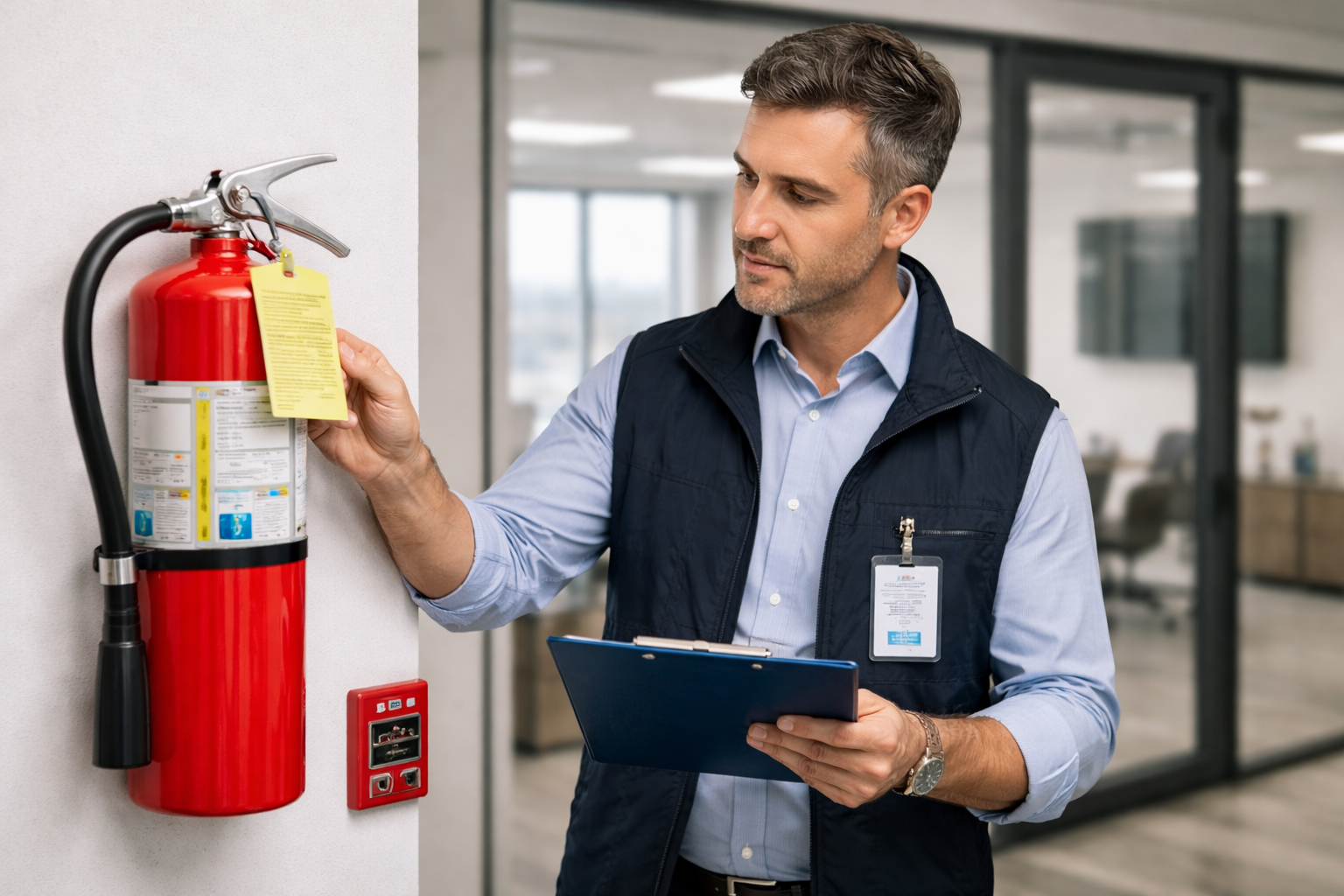
Compliance means following all laws, safety rules, and building codes. This includes fire safety checks, accessibility requirements (like ADA rules), and environmental regulations.
Your property manager should track all important deadlines and inspections using a compliance calendar. They should also keep records and fix issues before they become violations.
In Florida, there are extra requirements like hurricane preparedness, flood insurance, and windstorm coverage.
If inspections are missed or handled only after a problem occurs, your property is at risk. For example, an ADA lawsuit can cost over $50,000.
A professional manager handles all of this quietly and consistently so you don’t have to worry.

Lease Administration: Managing the Details That Make Money
Lease administration means managing all the details inside each lease agreement. This includes tracking important dates, rent increases, and tenant responsibilities.
A key tool here is a lease abstract—a simple summary of the most important parts of each lease, like rent amounts, deadlines, and renewal options.
Your manager should track all critical dates and send alerts well in advance. They should also apply rent increases on time and correctly.
Missing even a small rent increase can cost you thousands of dollars over time. For example, forgetting a 3% increase on a lease can add up to more than $15,000 over several years.
Delays, errors, or missing documents are all signs of poor management.
Vendor Management: Hiring the Right People at the Right Price
Vendors are the companies that provide services like cleaning, landscaping, security, and repairs.
A good property manager builds a network of trusted vendors and compares bids (price quotes) before choosing one. They also make sure vendors have proper insurance and review their performance regularly.
You should always be able to see actual invoices—not just summaries.
If one vendor is used for everything without competition, or if costs seem high without explanation, that’s a red flag.
Over time, good vendor management can reduce maintenance costs by 8% to 12%. It also ensures faster service when emergencies happen.
Emergency Preparedness: Being Ready for the Unexpected
Emergencies can include fires, floods, power outages, or severe weather like hurricanes.
Your property manager should have a clear emergency plan that covers how to respond to each situation. This includes communication with tenants, coordination with emergency services, and steps for recovery.
In hurricane-prone areas like Tampa Bay, this is critical. Plans should be updated every year and include steps like securing the building, testing generators, and arranging cleanup crews.
There should also be 24/7 support so someone is always available to respond.
If there’s no written plan—or if calls go unanswered during emergencies—that’s a serious risk.
How to Use This Checklist
Take this list with you when meeting a property manager. Ask for proof of each service—such as reports, schedules, vendor lists, and emergency plans.
A reliable manager will be able to show clear documentation for everything they do. If they can’t, it may mean they lack the systems or experience needed to manage your property properly.
Related Reading
From our blog:
-
Commercial Property Management in Tampa Bay: The Complete Guide for Building Owners
-
How Much Does Commercial Property Management Cost in Tampa Bay?
Industry resources:
Compare Your Current Property Manager
How does your current property manager compare?
Gain Property Group offers a free review of your property management services. We’ll compare your current setup against these seven key areas and help you find any gaps that could be costing you money or creating risk.
[Schedule Your Property Management Services Review →]
Bring your questions—we’ll give you a clear, honest assessment, whether you decide to work with us or not.

