
Imagine you own a small shopping strip in South Tampa or a bunch of warehouses near the I-4 highway. Sooner or later, you'll need to sell, rent out, or improve your property. The choice of who helps you can make or lose you a ton of money—hundreds of thousands of dollars! This guide explains everything about commercial real estate brokers in Tampa Bay. We'll cover what they do, when to hire one, how they get paid, and how to pick a great one. It's for owners, investors, and builders who want smart choices, not just a quick deal.
What Does a Commercial Real Estate Broker Firm Do?
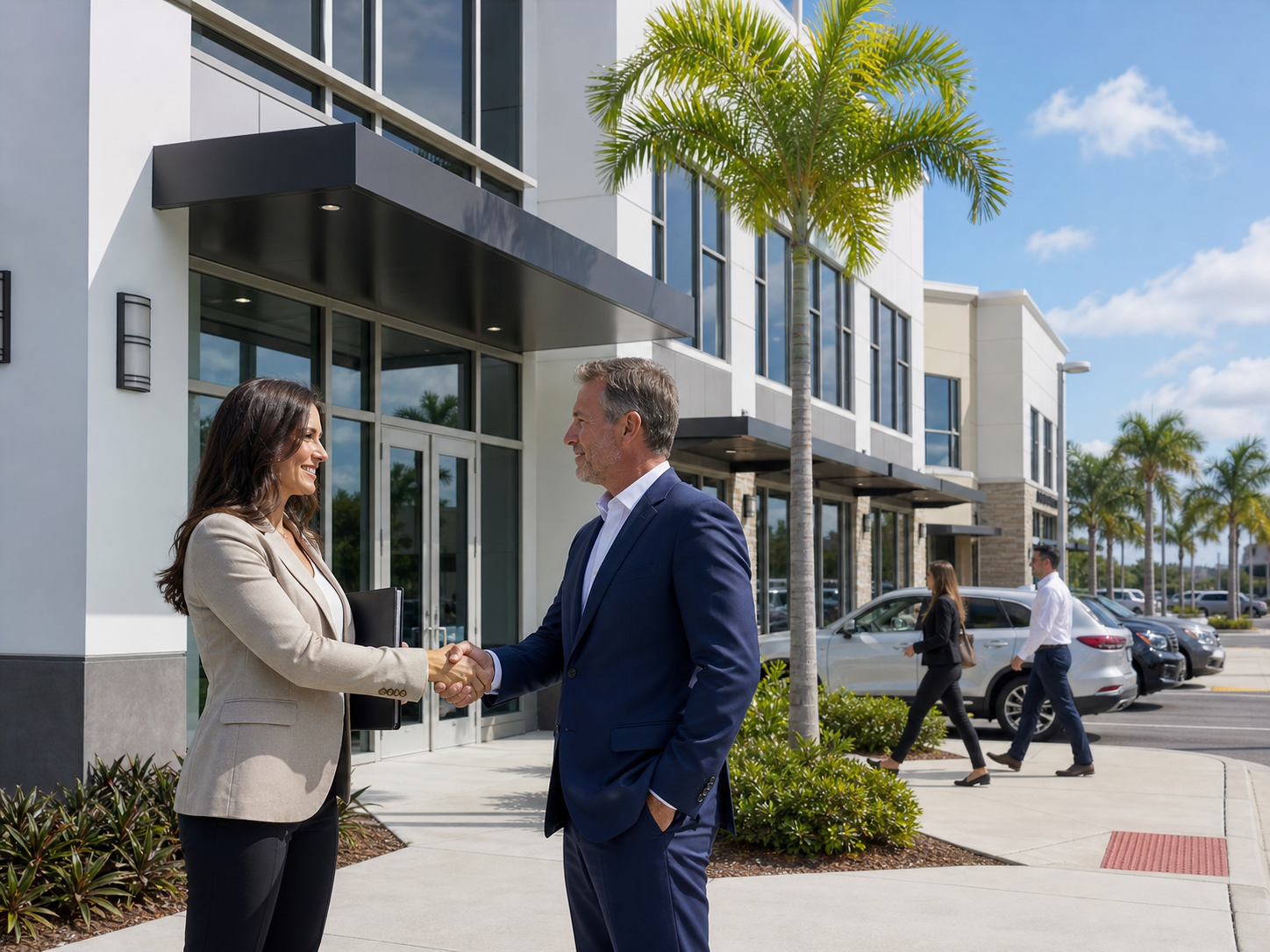
A commercial real estate (CRE) broker is a trained expert with a license. They help owners or renters buy, sell, or lease properties that make money, like office buildings, shopping centers, warehouses, apartment complexes, or mixed buildings with shops and homes.
This isn't like selling a house to live in. Those deals are simple. Commercial ones are way more involved. Here's why, step by step:
How Commercial Deals Differ from Home Sales
- Valuing the property: Homes get priced by looking at similar houses sold nearby. Commercial spots are priced based on the money they earn. For example, net operating income (NOI) is rent minus daily costs like repairs. Brokers use tools like cap rates (a way to guess value from income) and cash returns to figure this out.
- More steps in the deal: These sales check for pollution risks, building rules, tenant papers, and company records. Home sales skip all that.
- Takes longer: In Tampa Bay, selling commercial property often takes 90 to 180 days. Renting can take 60 to 120 days if fixing up the space. Homes close in 30 to 60 days.
- Tougher talks: Commercial leases can be 20 to 50 pages long. Brokers know details like rent hikes over time, shared building costs (called CAM), fix-up money for renters, and promises to pay.
- Connections matter: The best Tampa Bay deals happen through friends and networks, not websites like LoopNet or CoStar. A good broker opens those doors.
When Should You Hire a Commercial Real Estate Broker?
You don't always need one, but for big moves, they save time and money. Here are the main times.
Selling Your Property
A broker studies the market, sets the right price, finds serious buyers (often privately first), handles checks, and haggles. In Tampa Bay, offices sold at about 7.1% cap rates and $187 per square foot in late 2025. Smart pricing can add six figures to your check.
Buying or Taking Over Property
Brokers find hidden gems that match your goals, check if they're good deals upfront, and get you better terms. Management plans matter too—check our post on How to Choose a Commercial Property Management Company in Tampa (Questions to Ask).
Renting Out Space as a Landlord
For an empty shop in Westshore or office space downtown, brokers advertise, pick good renters, set lease terms, and plan fix-ups. Tampa Bay retail spots are only 3.4% empty (lower than the U.S. 4.3% average), so owners have power if they use it right.
Fixing Up or Changing Your Property
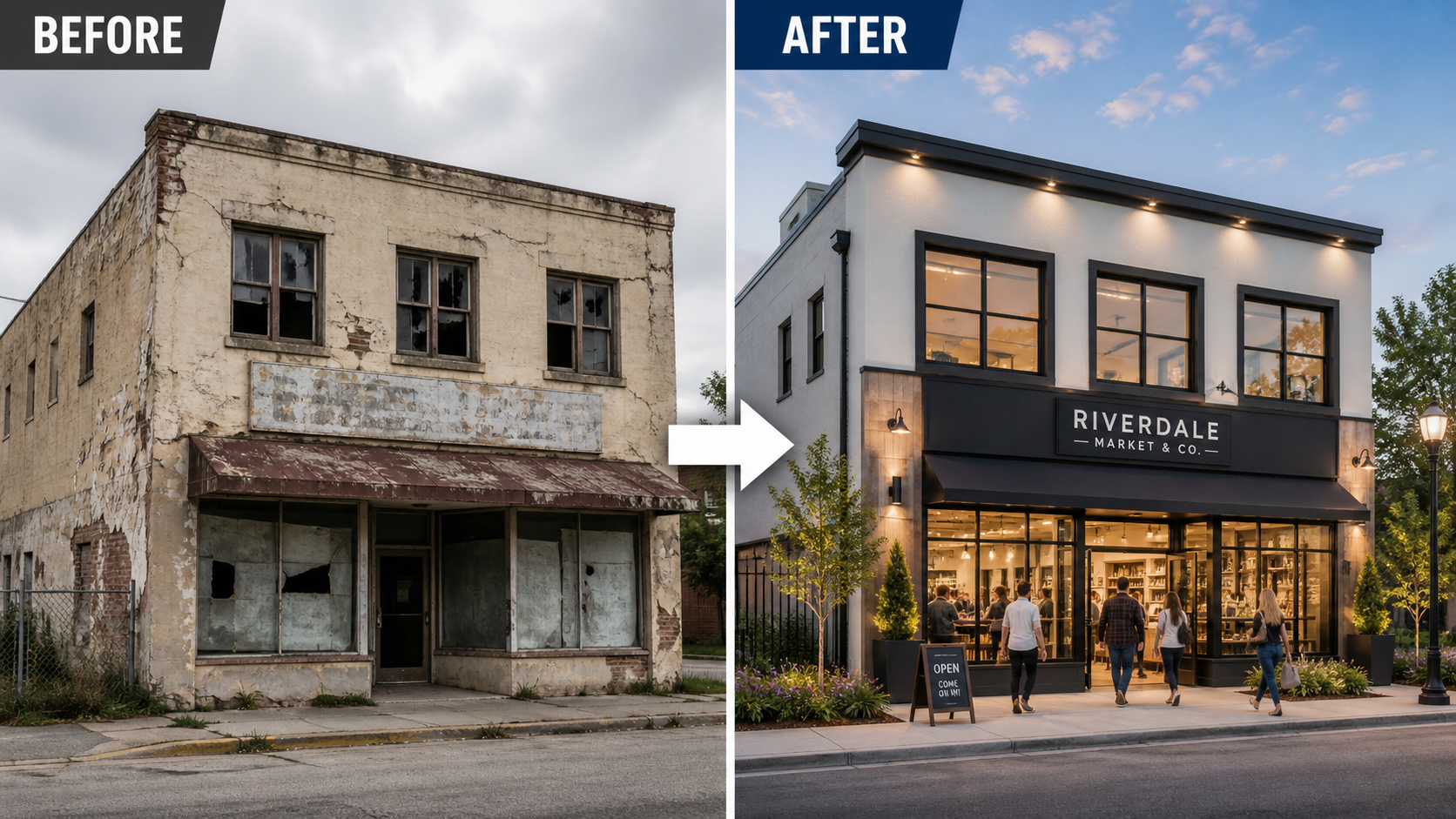
Turning an old office into shops and homes? Brokers share market info on who to rent to and what rents to charge.
How Do Brokers Get Paid? (Commissions Explained)
Owners often ask about fees. Here's the plain truth.
Typical Fees
Sales commissions are 4% to 6% of the total sale price. For leases, it's 4% to 6% of all rent paid in the first term, or a fee per square foot. Things that change the rate:
- Big properties ($5 million+) get lower percentages since the total fee is still huge—like $400,000 on a $10 million sale at 4%.
- Shop or office leases differ from sales; land deals cost more due to slow sales.
- Tricky deals with many renters need more work, so higher fees.
How the Money Splits
The total fee is split between the seller's broker and buyer's broker—often 50/50. Each then shares with their firm.
What You Get for Your Money
Brokers do hard work you can't easily do alone: market studies and pricing, pro ads and signs, network access to secret buyers, renter checks, deal talks, paperwork help, and closing guidance.
How to Pick the Right Broker
Picking one is huge. Look for these.
Knows Tampa Bay Inside Out
Markets vary—Westshore offices differ from St. Pete shops or Pasco land. Ask about their wins in your area and building type.
Proven Wins
Get real examples: similar sales or leases, sizes, prices, time taken, and how they found the deal. Skip vague "experience" talk.
Secret Deal Access
Top brokers have friends with investors and owners. Ask how many recent deals were private.
Money Smarts
They should explain cap rates, NOI forecasts, returns, loan rules, and rent hikes easily.
Good Updates
Expect steady reports on views, tour feedback, and market shifts—not just random calls.
Shared Goals
Avoid brokers who represent both sides (called dual agency)—it causes fights. Make sure they want top dollar, not a fast close.
Step-by-Step: The Deal Process
Know these steps to keep your broker on track.
Phase 1: Get Ready (2–4 Weeks)
Check the property, verify rents and costs for NOI, study the market for pricing, make ads and photos, whisper to key buyers.
Phase 2: Sell It (4–12 Weeks)
List on sites like CoStar or LoopNet, call prospects, show the place, get first offers, and haggle short "intent" letters.
Phase 3: Deep Checks (4–8 Weeks)
Sign contracts, let buyers inspect, get tenant okay papers, handle loans and fixes.
Phase 4: Finish Up (1–2 Weeks)
Prep final papers, transfer ownership or start lease, pay fees, and hand off management.
.png?width=1600&height=900&name=Untitled%20design%20(2).png)
Why Tampa Bay Experts Win Big
Tampa Bay isn't one market—it's many neighborhoods with their own rules.
- Warehouses: 6.9% empty (highest in years), but rents up 7.4% to $9.15 per square foot. Lots of buildings, mostly pre-rented. Demand is hot, supply is catching up.
- Offices: Top spots 14.7% empty (best since 2022), rents at record $29.59 per square foot. Sales slow to $800 million.
- Shops: Super low 3.4% empty, rents up 4.5% to $27.52 per square foot. Few new builds mean owner power in hot spots like South Tampa.
- Growth boost: 397,000 new people by 2030, led by Hillsborough County. This fuels all demand.
Local know-how means right prices and strong talks.
Secret Deals: Brokers' Superpower
Off-market deals skip public sites—they're shared privately. Why they rock: less rivalry for better prices, quicker closes, privacy for tough seller spots, and ongoing ties.
Deep Checks: Where Brokers Shine
This stage makes or breaks deals. Brokers handle:
- Money proofs (rents, costs, payments—NOI mismatches kill value).
- Building checks (roof, air systems, flood prep for Tampa weather).
- Pollution tests (Phase I standard; more for risky spots).
- Land and rule checks.
- Lease reviews (missed details hurt value).
- Market matches.
They spot problems that save cash.
Quick Wins from This Guide
- Commercial deals beat home sales in terms of smarts needed.
- Hire for sales, buys, leases, or fixes—fees pay off.
- Fees: 4–6%, talks possible.
- Pick by local know-how, real wins, secrets, money skills, updates.
- Tampa Bay varies by type—get a specialist.
- Secret deals are gold.
- Checks prove broker value.
Related Reading
Industry resources:
Schedule a Market Consultation
Own property in Tampa Bay? Let's chat about selling, buying, renting, or valuing it. GPG gives real local advice.
[Schedule a Market Consultation →]
No strings—just helpful talk about your goals.

